
Dad increasingly struggles to order lunch in Australia.
Not because he is confused by restaurants, or even Australians.
Not because he is technologically incapable.
And not because he has suddenly developed a philosophical objection to the ubiquitous “chicken parmie”.
The problem is that he does not buy a roaming data package when travelling – which, until approximately eleven minutes ago historically speaking, was considered an entirely normal thing for a human being not to have.
Unfortunately modern civilisation has begun quietly assuming continuous connectivity as a baseline condition of personhood.
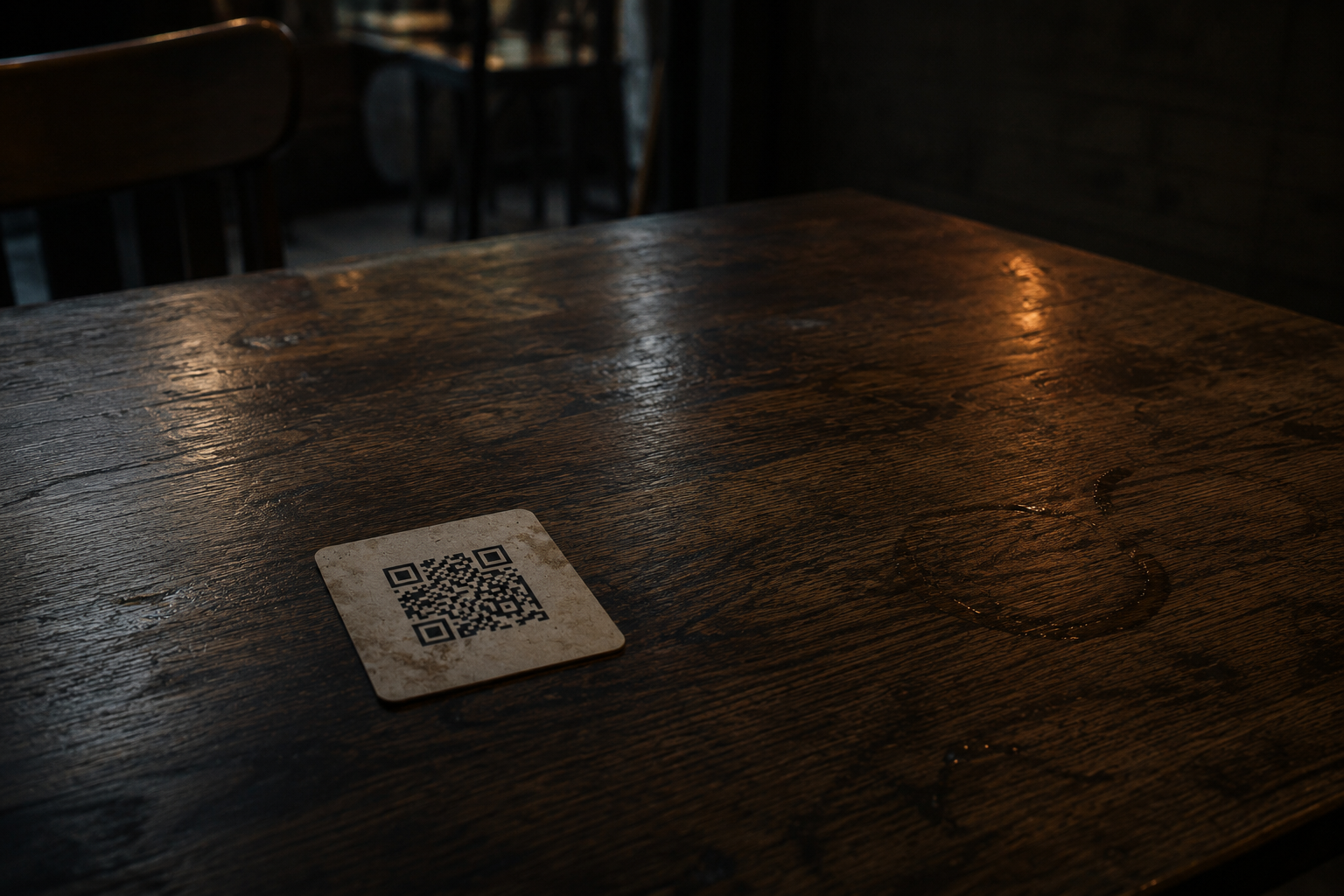
So now the menu is accessed via QR code.
The QR code opens a website.
The website requires data.
The order requires an app.
The payment requires authentication.
The authentication requires a security link from the bank.
Which also requires data.
And so, somewhere in the middle of a perfectly ordinary Australian food court, you find yourself witnessing a genuinely absurd modern scene. A man physically standing in front of food unable to order it or pay for it because the assumptions invisible infrastructure are based on have failed.
Of course, every step of the system makes perfect sense.
QR menus reduce printing and staffing pressure, and apps streamline ordering.
Banks want fraud protection, and digital payments reduce friction.
Every piece sounds reasonable.
But stacked together they produce systems that increasingly assume ideal operating conditions:
- phone present,
- remembered password,
- app already installed,
- stable signal,
- compatible bank,
- emotional calm,
- and enough battery life to eat lunch.
I had a smaller version of the same experience recently standing at an unattended petrol station.
The terminal did not accept paywave.
It required either a physical card or to take the option to download the company app while standing directly beside a large sign instructing customers not to use mobile phones on the forecourt.
Which felt less like technological progress and more like a system hobbled together at a meeting conducted entirely by people who have never purchased petrol in the rain.
Modern systems are often extremely efficient provided the human behaves exactly as anticipated. Which is perhaps why they become so strangely hostile the moment somebody behaves like an ordinary person with no data, dead battery or simply by being 83.
The strange thing is that none of this quite feels like dystopia.
Mostly it feels… overconfident.
And yet humans continue adapting anyway.
Waiters produce paper menus from hidden drawers.
Children hotspot their parents.
Somebody eventually says:
“oh don’t worry mate, you can just order at the counter.” (despite the obvious pre-existing managerial instruction that this is absolutely the last option)
Which is perhaps the reassuring part.
Because for all the increasingly elaborate digital systems surrounding modern life, civilisation still mostly survives through people noticing when another person is stuck and deciding to help.
Anyway.
I shouted Dad lunch.