
There are certain facts which sound so deeply internet-poisoned that they immediately trigger scepticism.
Apple allegedly refusing to let villains use iPhones in films is one of them.
And yet this appears to be, if not formally corporate policy, then at the very least an extremely widespread understanding within the film industry.
The observation entered public consciousness after director Rian Johnson casually mentioned in an interview that Apple allows filmmakers to use iPhones on screen, but:
“bad guys cannot have iPhones.”
Which is both:
- deeply funny,
- and a genuinely terrible thing to reveal in the context of murder mysteries.
Because once you know this, every close-up of a smartphone immediately becomes accidental character analysis.
The person using the iPhone?
Probably emotionally trustworthy.
The person holding an unbranded black rectangle filmed from suspicious angles?
Prepare for betrayal.
My awareness of this lore has now reached the point where, whenever Joy wonders aloud who the villain might be in some new police procedural, I occasionally find myself responding:
“Well, not him. He has an iPhone.”
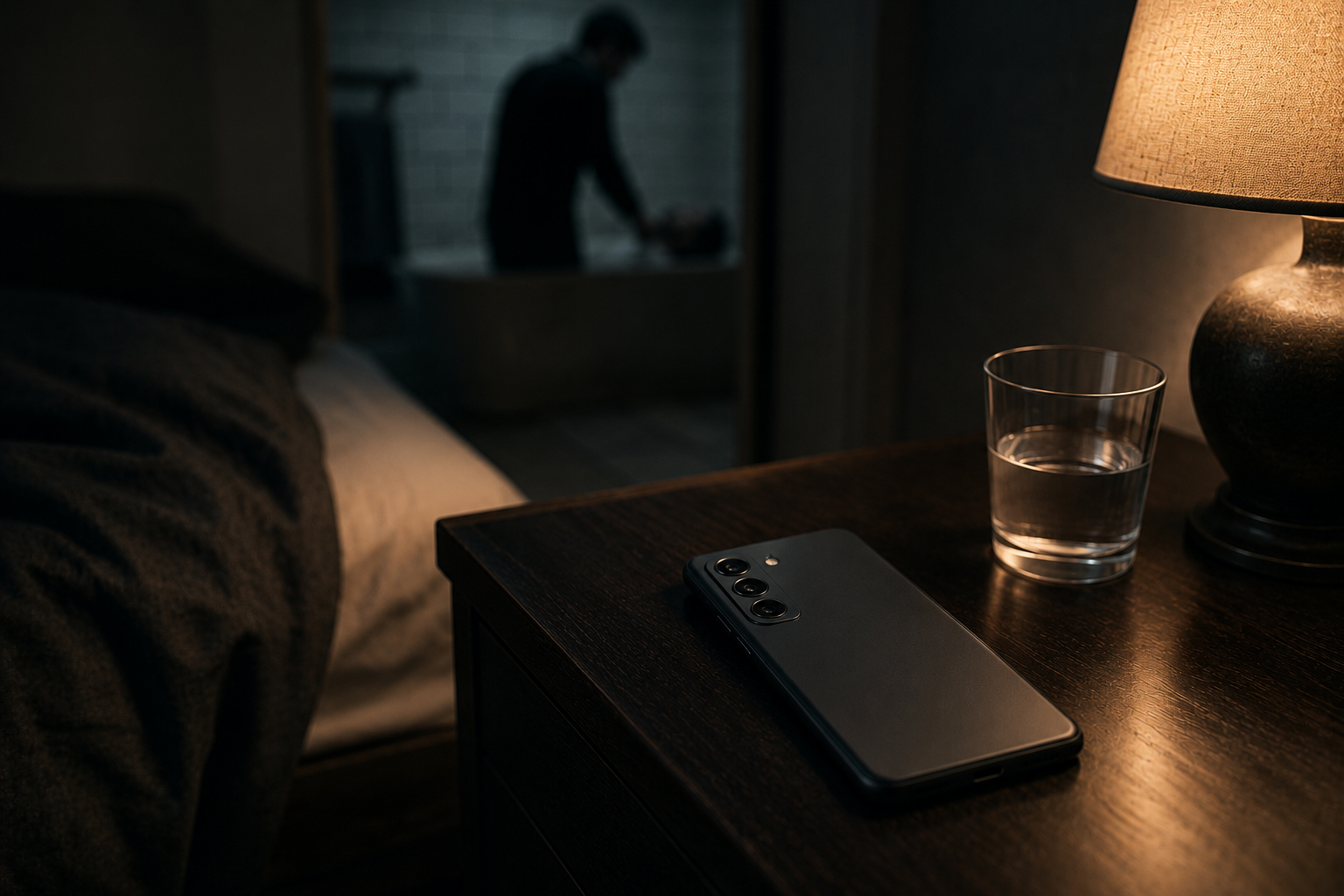
Just last night, while watching a new Apple Original, I noticed one character place an Android phone carefully on his bedside table immediately before garrotting a man in the bathtub.
It was less a clue than a searchlight.
The phone stood out like the sorest of thumbs.
Once seen, it becomes extraordinarily difficult to unsee. While I grant you this logic is not foolproof, it has become disturbingly reliable.
It also creates the strange possibility that somewhere in Hollywood there exists an actor discovering they have accidentally been cast as morally ambiguous purely because wardrobe handed them a Samsung.
This is perhaps one of the purest modern examples of invisible corporate influence quietly shaping culture at enormous scale.
Not through censorship exactly.
Not through propaganda.
Just through the careful management of brand association.
Even our fictional villains apparently require acceptable ecosystem alignment.
And honestly, from Apple’s perspective, fair enough.
No company spends billions constructing a premium lifestyle identity only to have some morally compromised Scandinavian detective fling an iPhone into the Baltic Sea immediately before committing tax fraud.
Still.
It remains mildly unsettling that one of the world’s largest technology companies may have accidentally transformed smartphones into narrative morality indicators.
Anyway.
Fact check it yourself.
— g